Identity and Rebirth
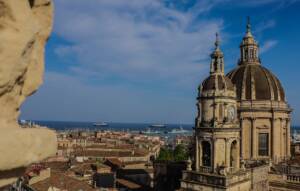
Catania’s Baroque heritage stands as the most visible sign of the city’s ability to rise again and redefine itself. After the devastating earthquake of 1693, the urban center was rebuilt according to a unified architectural vision that radically reshaped the city’s appearance.
Broader streets, dramatic squares, and monumental vistas became the language through which Catania expressed its identity.
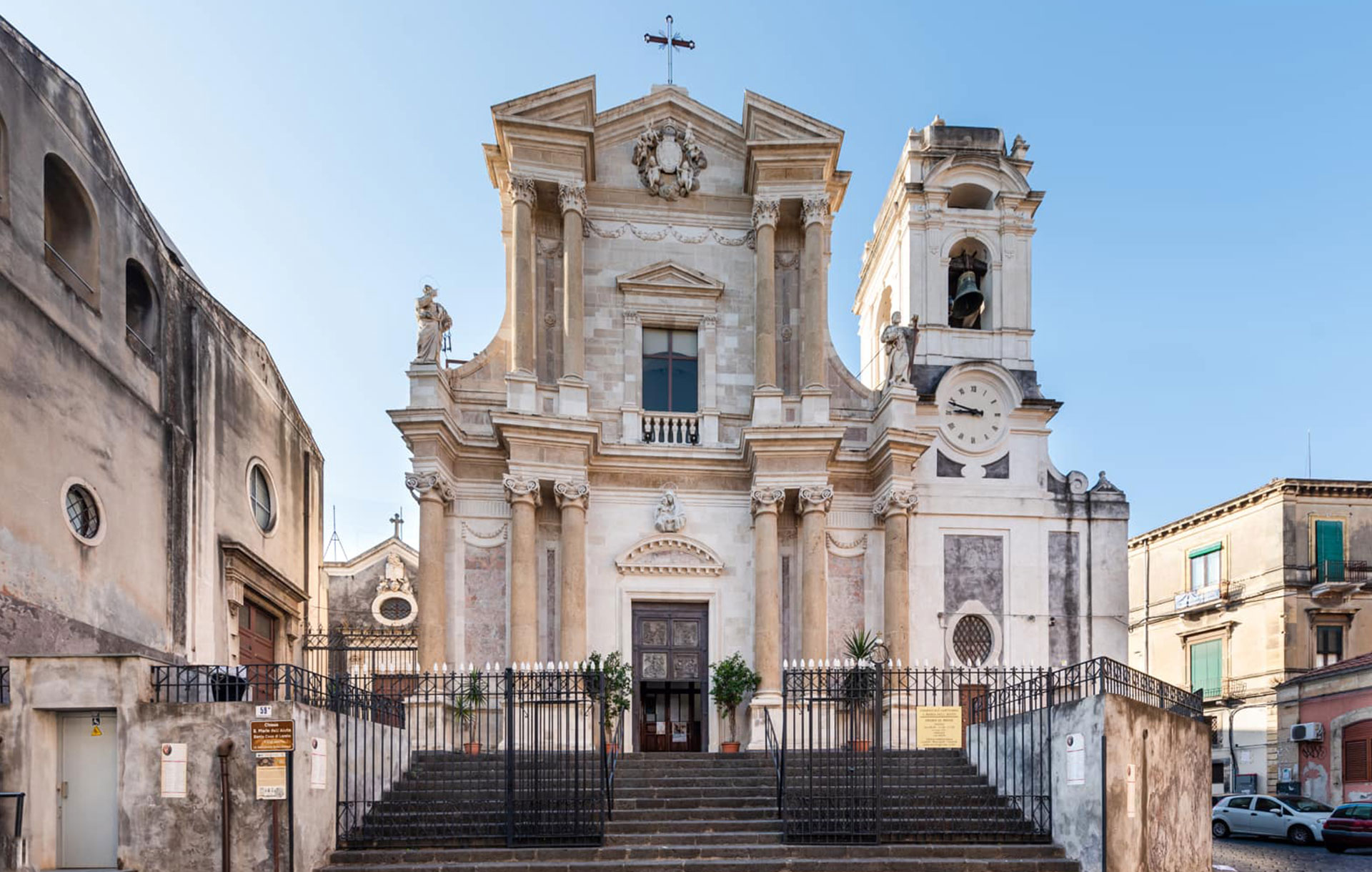
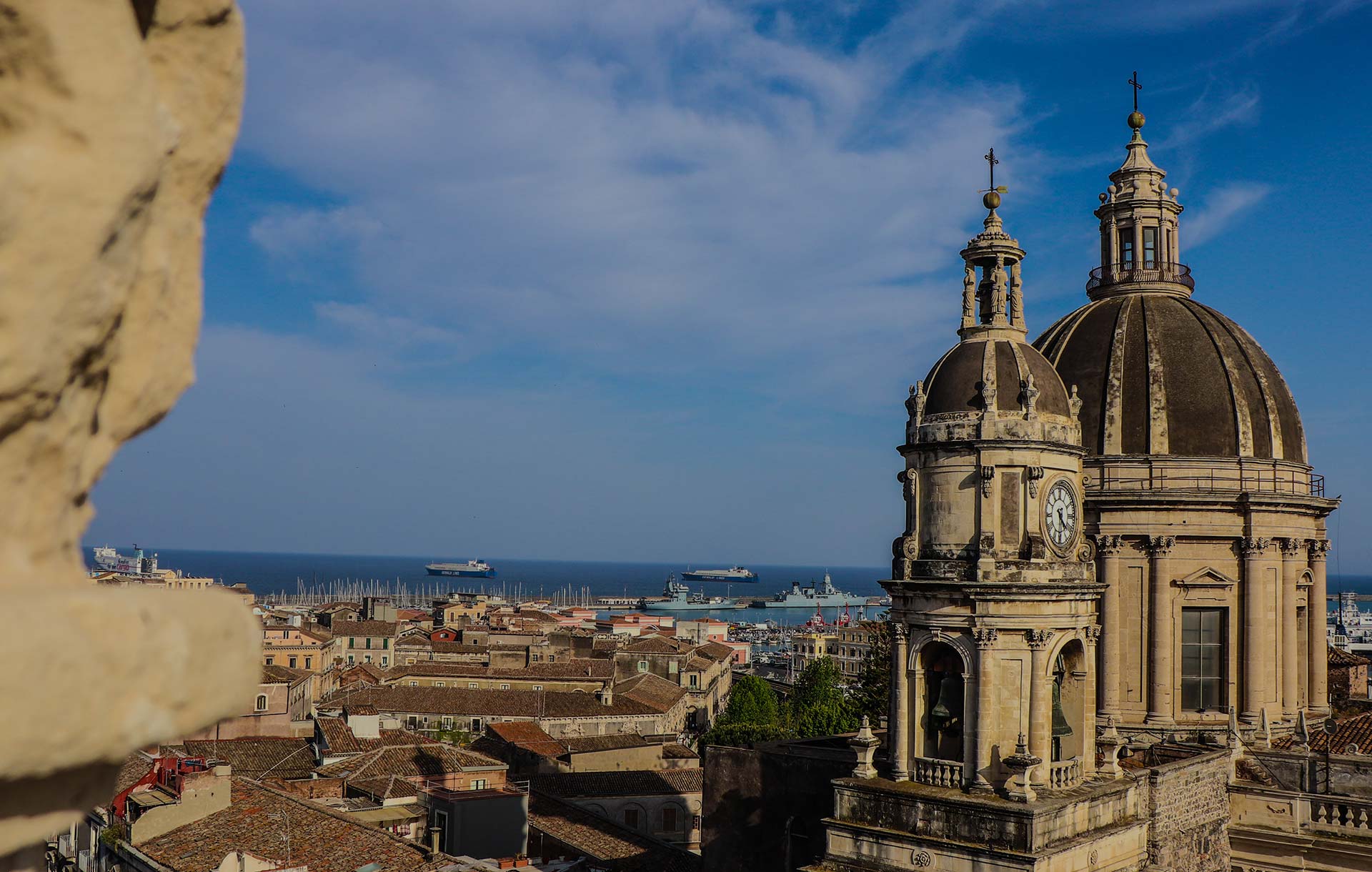
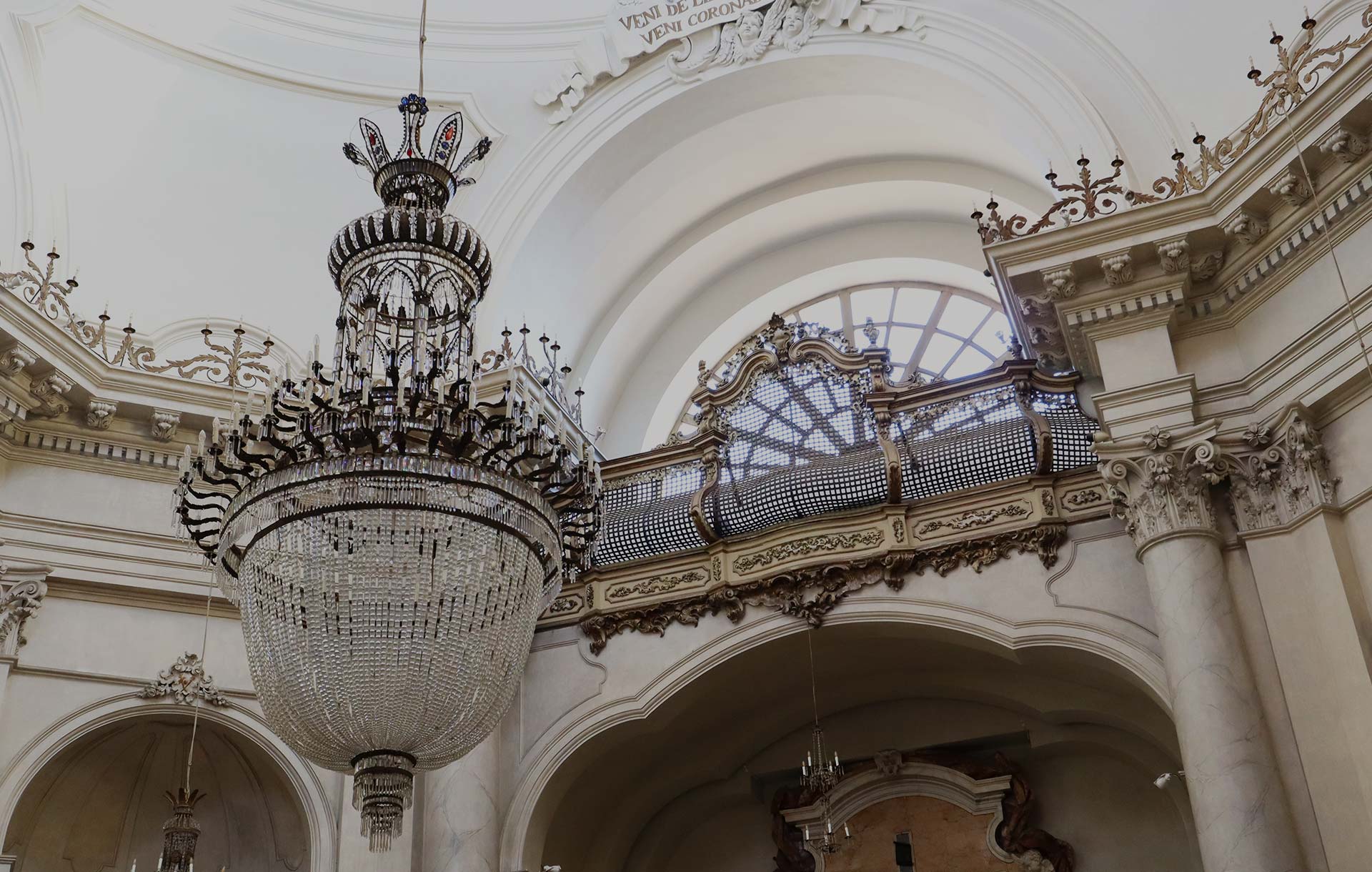
It was in this context that some of the most significant churches and palaces of south-eastern Sicilian Baroque were built, part of a UNESCO World Heritage Site since 2002. The use of dark, richly textured lava stone alongside the lighter stone used for decorative details gives these buildings a distinctive character, blending elegance with expressive power. Animated façades, carved balconies, statues, and swirling architectural forms create a constant interplay of light, material, and urban space.
Catania in all its Baroque Splendour
Guardian of
timeless stories
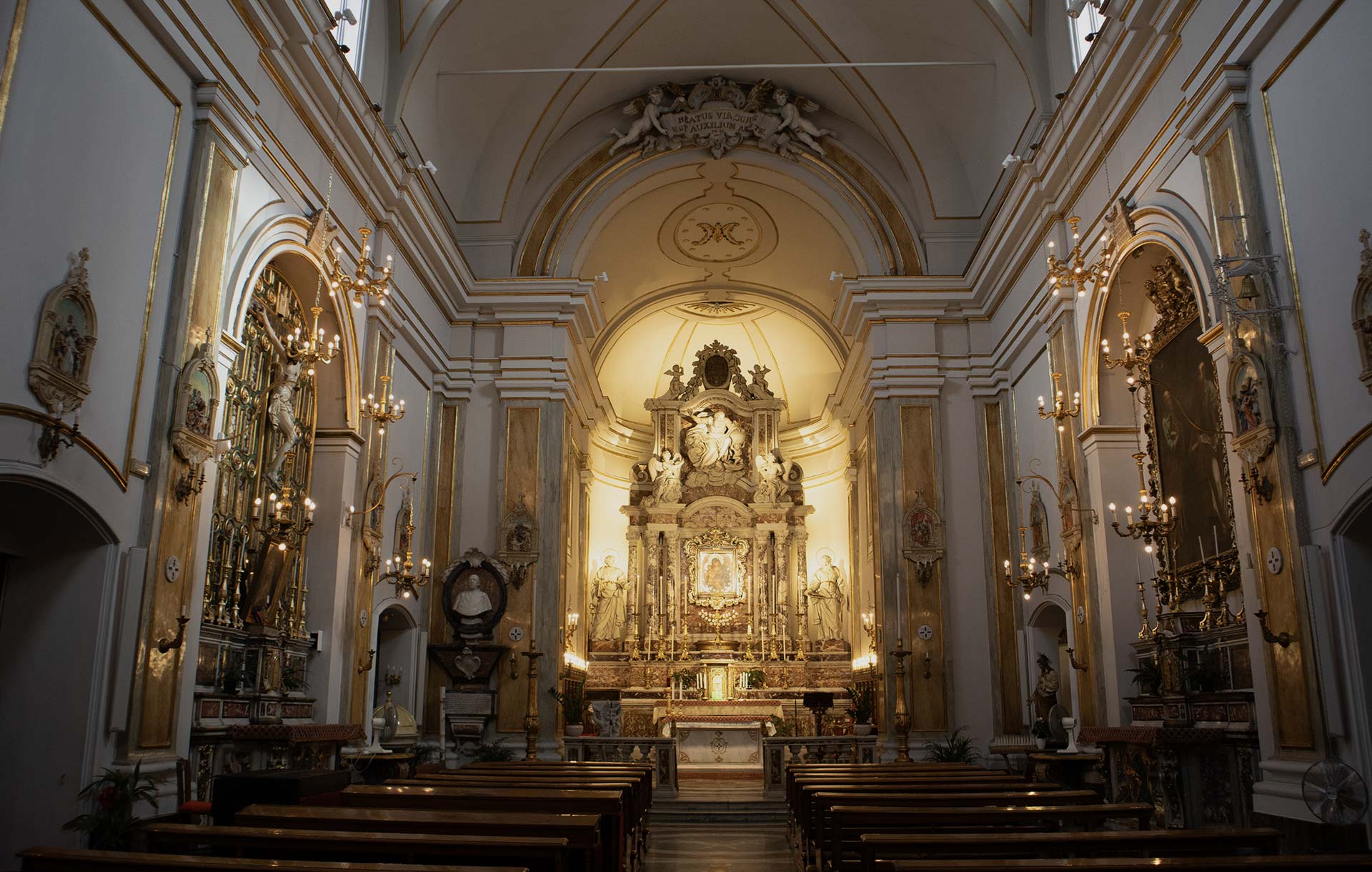
The churches involved in the Pulcherrima project are an integral part of this story.
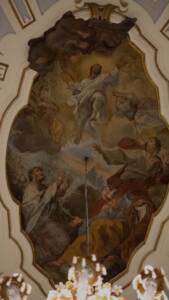
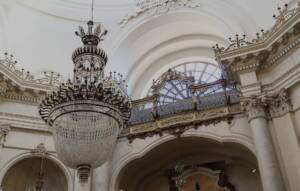
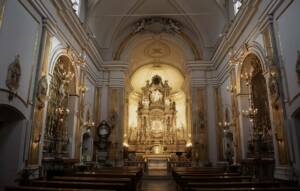
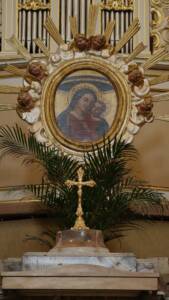
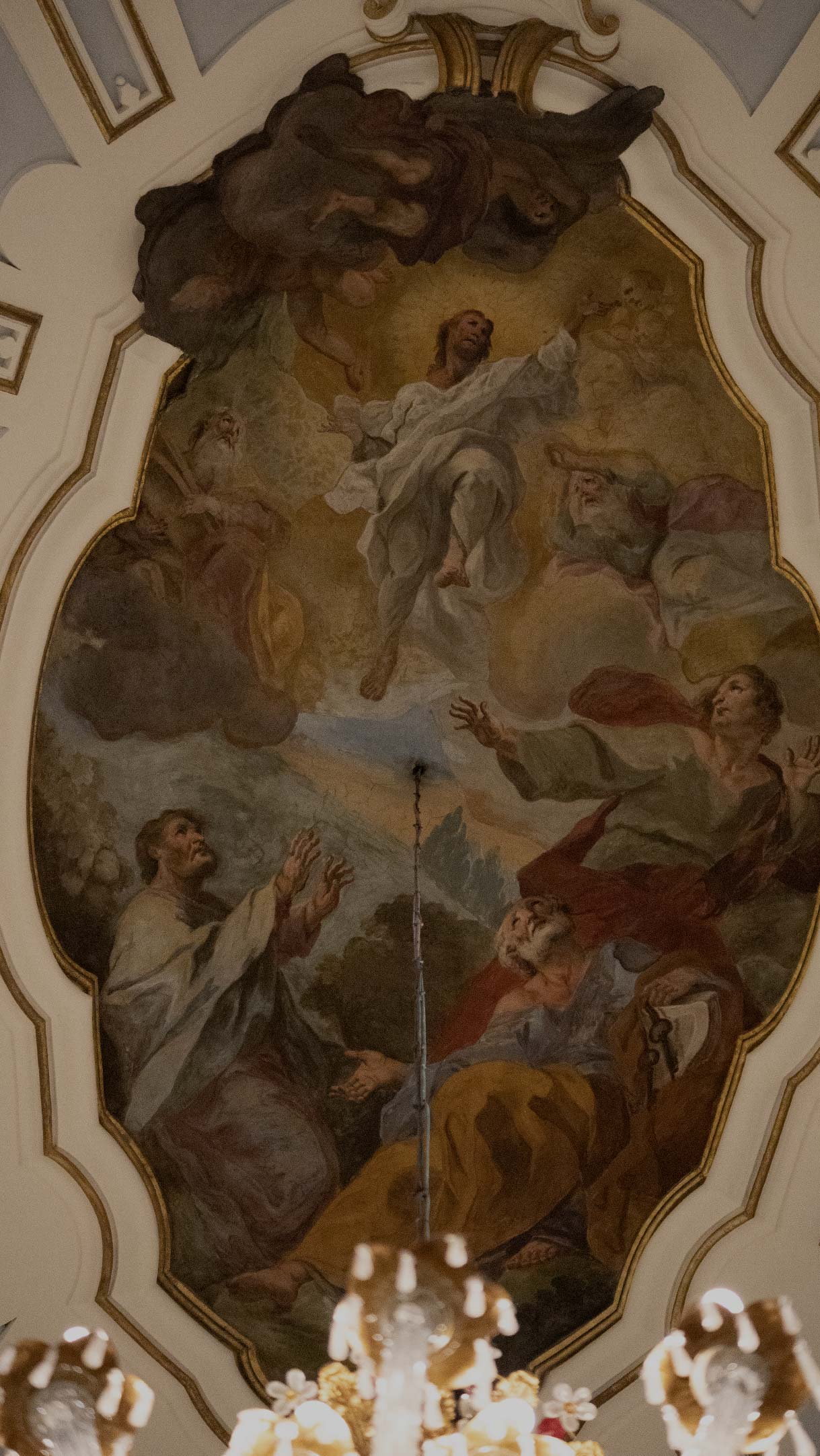
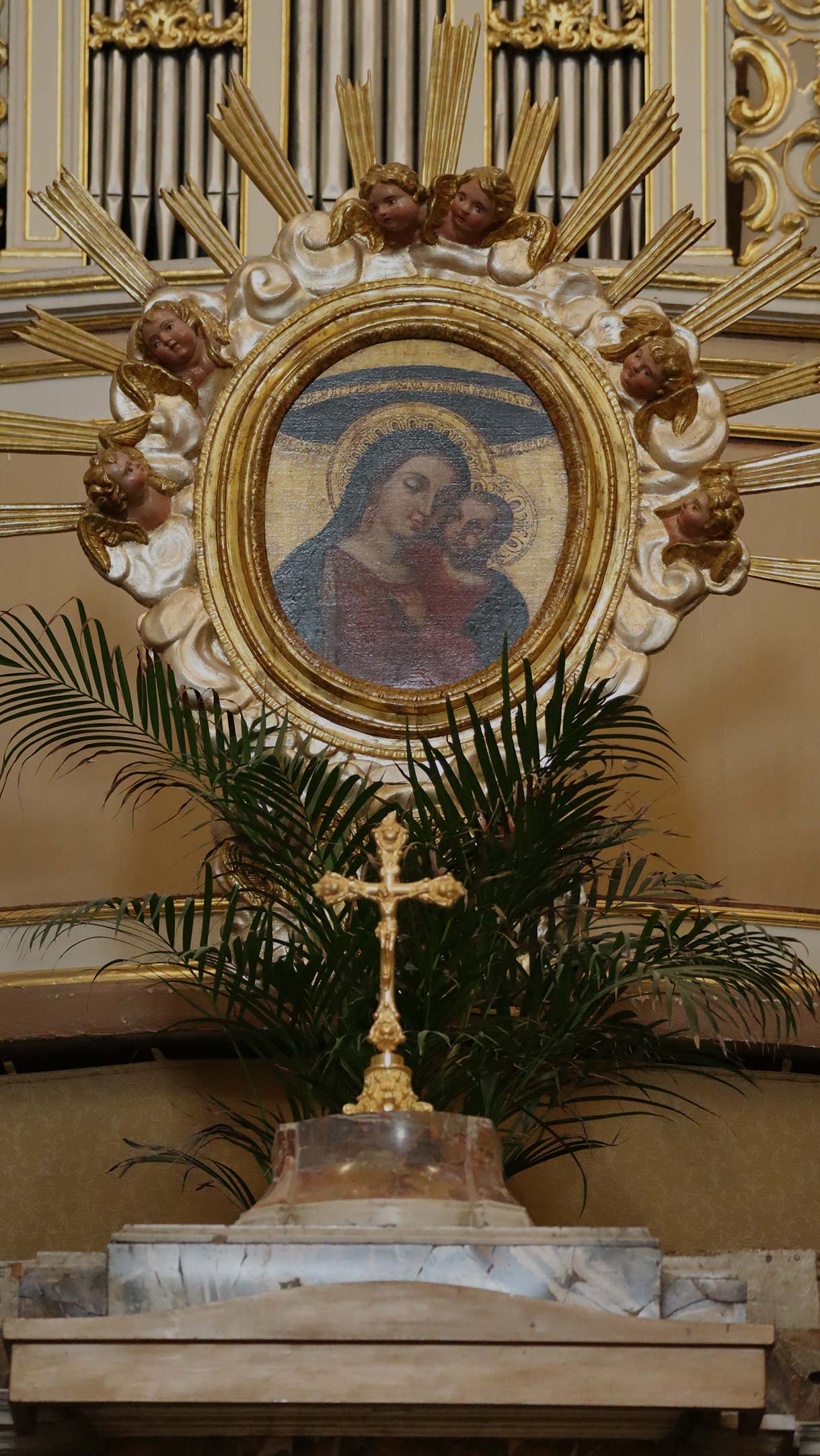
Through their frescoes, architecture, and decorative elements, they reflect an extraordinary artistic period in which faith, art, and civic life were deeply intertwined. This religious heritage also holds strong symbolic value, expressing the bond between the community and its places of worship.
Baroque architecture thus becomes a guardian of memory, spirituality, and collective identity in a city where monumental beauty remains one of its defining features.